1. Hard surfaces
Glass, metal, sealed wood and plastic are cleaned with products matched to the agent.
Lake Hamilton, FL · Polk County
Does your home or business in Lake Hamilton still sting after tear gas or pepper spray? Call (877) 812-4220 any hour. You get a crew for residue on floors, walls, vents and soft furniture.
If anyone is in danger, call 911 first. For a suicide crisis, call or text 988.
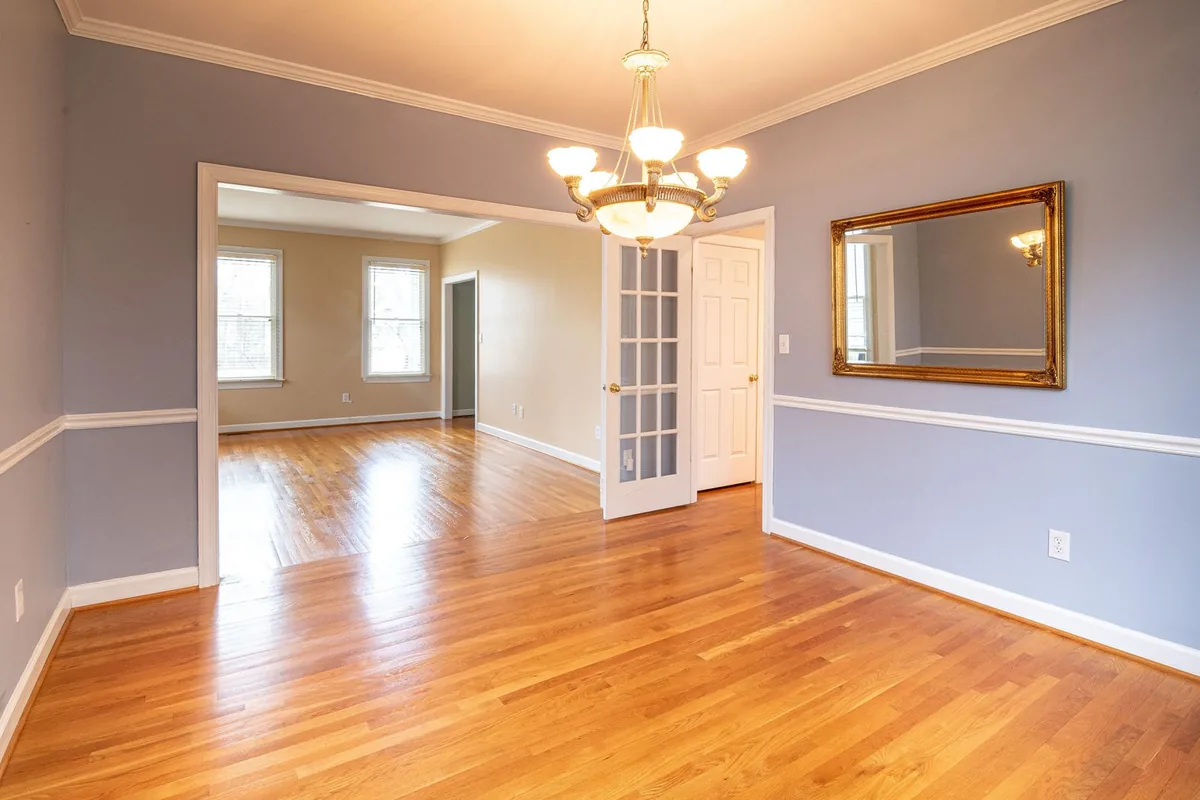
Irritant agent cleanup is the work that begins when emergency response ends. It removes the particles that cause burning eyes, coughing and skin irritation so people can return safely.
For irritant residue removal in Lake Hamilton and nearby areas of Polk County, call Lake Hamilton Biohazard Cleanup Help. You and the crew sort soft goods together, clean what can be saved and dispose of what cannot.
Owners who live away from Polk County can still get cleanup done. A key holder or property manager gives the crew access. Whatever the season in Lake Hamilton, turn off the air system after an incident so it does not spread residue.
A typical tear gas & pepper spray cleanup job includes:
Glass, metal, sealed wood and plastic are cleaned with products matched to the agent.
Carpet, curtains, bedding and furniture are treated if possible and removed if not.
Hard surfaces are decontaminated, soft goods are treated or removed and the air system is cleaned.
The crew documents the finished work for landlords, employers or insurers and walks through it with the owner.
Most tear gas & pepper spray cleanup jobs in Lake Hamilton, FL cost between $1,500 and $50,000, based on published cost guides.
The type of agent changes the method. Some residue is a fine powder and some is an oil, and each needs different products and steps.
| Type of job | Typical range |
|---|---|
| Small apartment | $1,500 - $4,000 |
| Commercial property | $10,000 - $50,000+ |
| Single-family home | $3,000 - $10,000+ |
Figures are planning ranges from Tear gas cleanup cost guide, not a price for any specific Lake Hamilton property. Price drivers include property size, air system involvement, materials affected, time since exposure. Call (877) 812-4220 any hour.
Sometimes. Some homeowners and business policies may cover cleanup after vandalism, a break-in or a covered event, and others exclude certain causes. Call your insurer before work starts and ask plainly what applies.
Not reliably. Vinegar and bleach do not neutralize these agents, and mixing products can release harmful fumes. Plain water can spread residue. Fresh air and professional removal work better.
A small space can be finished quickly, while a whole building, or one where the air system ran, takes longer. The team gives a timeline after seeing the site. Keep the space closed until the work is done.
Do not hose it down or wipe it around. Particles and oil spread when disturbed. A professional crew uses protective gear, lifts residue from the surface and disposes of it as hazardous waste.
Ask what training the crew has, how it disposes of waste, how it documents the work and what protective gear it uses. A good company explains the plan before work starts.
Rules for hazardous residue vary by state, county and city. Waste may need special handling and cannot always go in the regular trash. Ask the local health department or fire department what applies.
Answered 24/7 with clear steps for what to do now.
Call (877) 812-4220